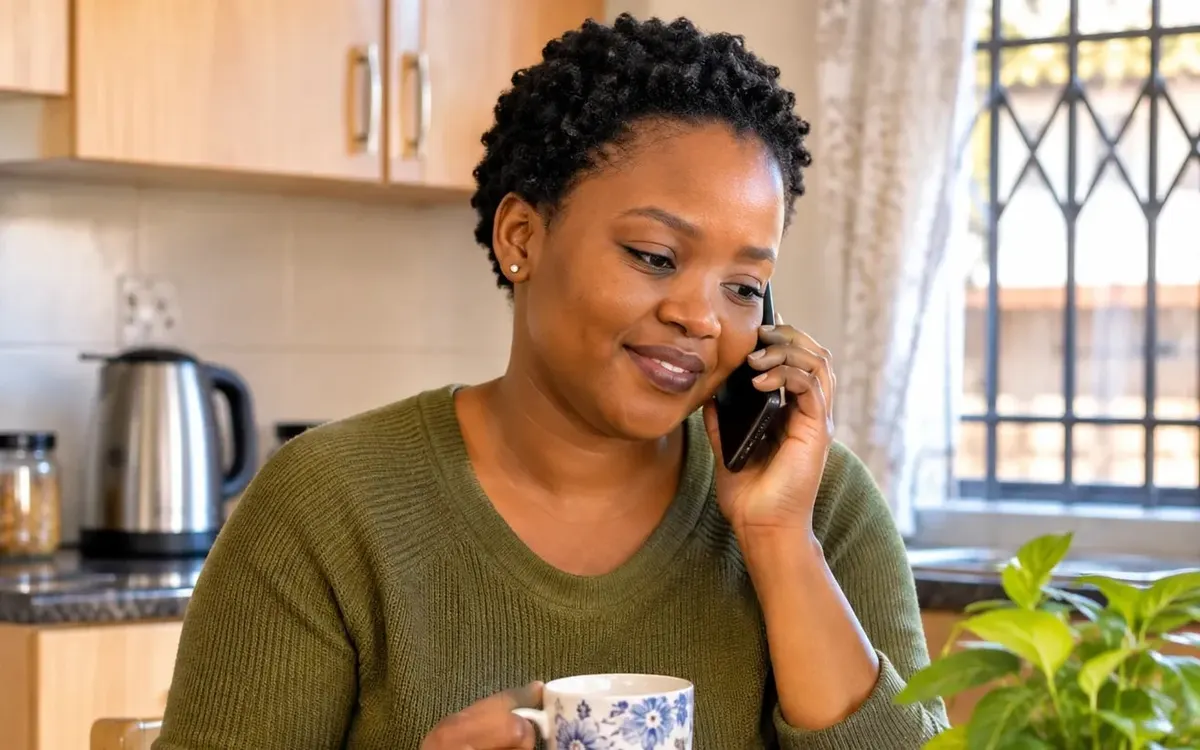
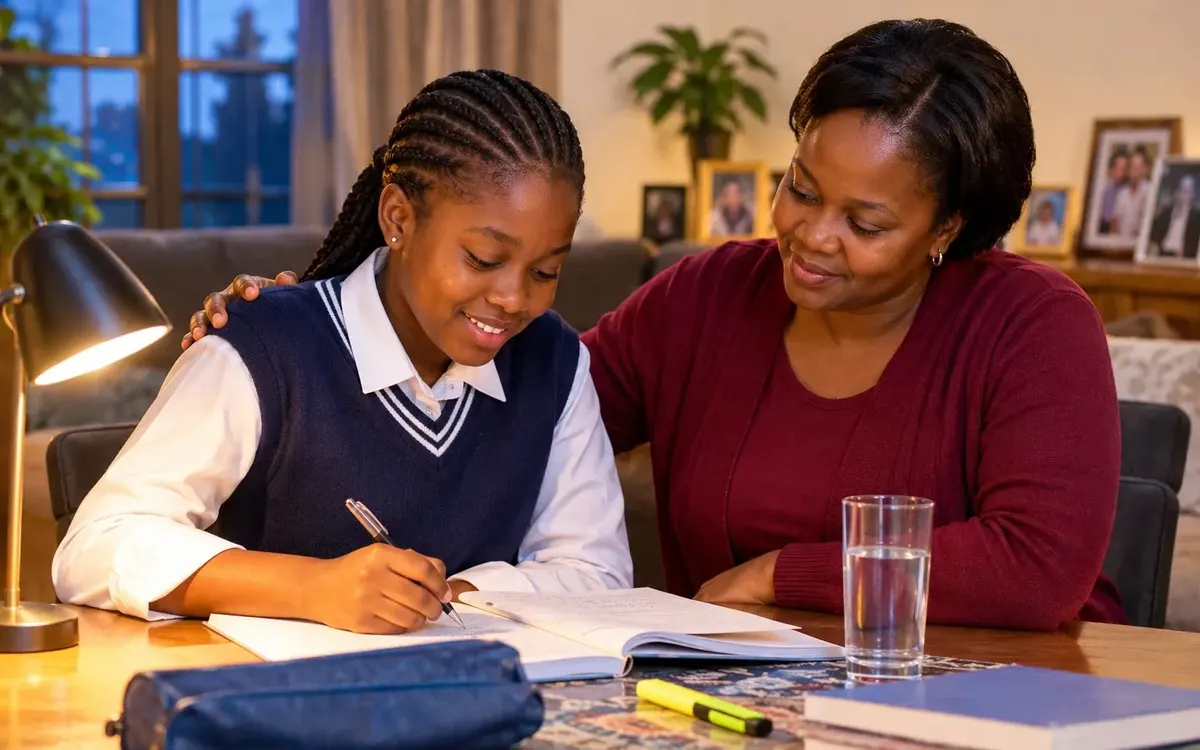
Losing someone close to you can change everything at once: your routines, your relationships and the way you see the future. Family and friends often want to help, yet many people still find themselves feeling alone with their grief. A support group offers a different kind of support, alongside people who understand from their own experience.
Grief has no single shape
There is no correct way to grieve and no fixed timeline. People commonly experience:
- sadness, longing, anger or guilt, sometimes all in one day
- difficulty sleeping, eating or concentrating
- withdrawing from others, or feeling that nobody understands
- worry about practical matters such as family responsibilities, finances or work
These responses are a normal part of loss. Grief also touches the whole family, and each person may cope in a different way.
What happens in a support group
A support group brings together a small number of people facing a similar experience, guided by a trained facilitator. Sessions are confidential and respectful. Members can share as much or as little as they choose, and many people simply listen during their first few sessions.
Being with others who have walked a similar road can ease the sense of isolation. Members often find comfort in being understood without having to explain, and gain practical ideas for managing difficult days, anniversaries and family conversations.
Your first session
It is natural to feel nervous. You do not need to prepare anything or tell your whole story. The facilitator will explain how the group works, agree on ground rules such as confidentiality, and make sure that everyone has space to take part at their own pace.
Supporting someone who is grieving
If someone close to you is grieving, you do not need the perfect words. Be present, say the name of the person who died, offer practical help, and keep checking in after the first weeks, when others may have moved on. Gently mention that support is available if they seem to be struggling.
Support at Libalele
Our support groups are professionally facilitated and focus on grief and loss, new parents, addiction recovery and health-related challenges. Where individual support would be more helpful, we offer counselling and can refer you to other qualified professionals.
When to seek urgent help
If you or someone you know is thinking about suicide or is in immediate danger, do not wait for a group session. Call 112 from a mobile phone, or contact the SADAG Suicide Crisis Helpline on 0800 567 567.